A Missing Key in the Animal Rights Movement — The Power of Music to Counter Social Conformity
Why is it that the animal rights movement has created so little effective change in the past decades that activists have been fighting to protect animals? Why is it that despite veganism going mainstream in the public awareness, more and more animals are being murdered every year? Yes “murder”—needless killing for selfish reasons is murder. Why is the vegan movement plateauing, stuck at around 1-4% of the population, despite the continued striving efforts of activists?
Social conformity.
It’s not that people don’t care about animals. We see that most people have a strong love and care for certain animals that are considered socially acceptable to love, like dogs and cats. When there are instances of animal cruelty against these species, we see people’s vitriol and desire for harsh punishment against the offenders.
While there are some people who harbor dislike or even malice toward animals, they are a minority. Most people love animals! In fact, polling has shown that 74% percent of Americans agree with the statement that “humans have an obligation never to harm animals” and 79% agree that “animals should be protected from all suffering and harm caused by humans.” And yet, we are abusing, torturing, and murdering over 90 billion land animals—who are like dogs and cats—every year.
How is this possible? How is it possible that most people love animals, yet we live in a world with incomprehensible amounts of violence toward animals?
Social conformity.
What is social conformity? Social conformity is the desire to fit in—it is the desire to avoid all of the consequences of not fitting in. Social conformity is the phenomenon that results when a group of people all conform to one another to avoid facing the consequences of social ostracization.
Ostracization is one of the deepest fears we hold. On a primal level, ostracization is associated with the loss of everything. If you lose your family, friends, and community, you lose your source of connection—leaving you to face loneliness, one of the most dreadful forms of suffering—you lose security and safety, opportunities of all kinds, access to resources, and if you base your sense of self on your relation to others, you practically lose yourself. Therefore, people avoid social ostracization like it’s death.
This is what’s holding back the animal rights movement. The barbaric habit of murdering and eating animals is deeply ingrained in human culture. It has been going on for millennia. Virtually everyone alive today was raised by parents who raised them to eat animals, who were raised by their parents to eat animals. You go to school and everyone eats animals. You go to your workplace and everyone eats animals. You get off work and go hang out with your friends and everyone eats animals. You go on social media and everyone eats animals. You watch entertainment and you’re hit with ads to eat animals. You drive down the street and you see billboards telling you to eat animals. The pressure and influence to eat animals is ubiquitous and long-standing. To stop eating animals is to go against the world and nearly everyone in it.
What the animal rights movement must accomplish is to tip the scales such that the effect of social conformity begins working in the positive direction—so that people begin to feel like they will become ostracized if they don’t become vegan and support animal rights.
I have come to believe that music, linked and tied to animals and animal rights, is one of the most powerful, yet most overlooked tools that we have to counter the social conformity holding back the animal rights movement.
Why music?
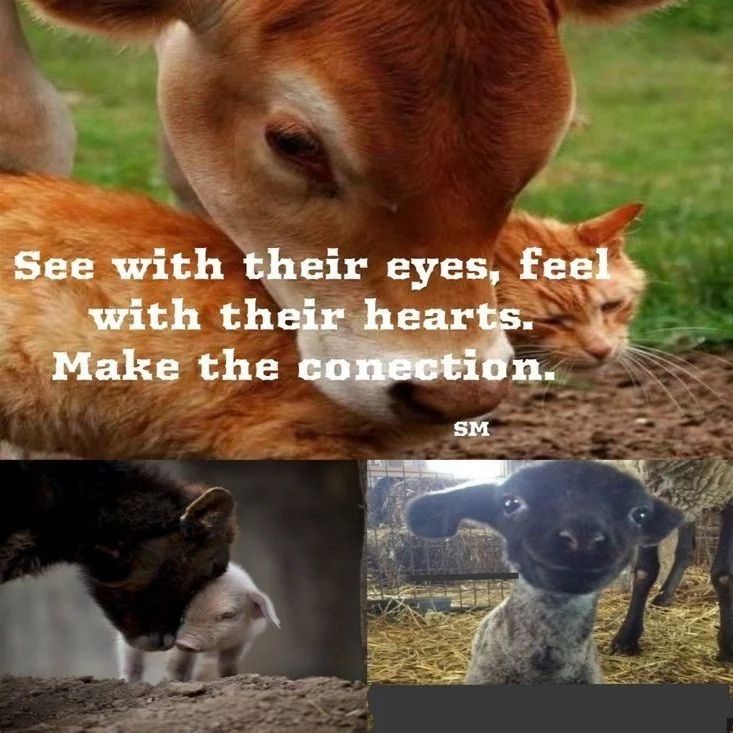
Music is a universal language. It bypasses the intellect and speaks to us on a deeper level. It can be very powerful at breaking through people’s mental barriers. Even someone who has spent years suppressing their emotions may be brought to tears with the right song. Music, tied to animals, has the capability to move people and shift their attitudes toward veganism and animal rights, even when intellectual discourse fails.
Music has an addictive quality. The right music can be highly pleasurable and stimulating to listen to. I know that many people are like myself in that when you find songs that pique your interest, you’ll listen to them over and over until you’re ready to move on to the next songs to do this with. This pleasurable, addictive quality of music is very valuable when it comes to using music as a tool for the uncomfortable issue of animal exploitation.
The issue of animal exploitation is very serious. It repels many people because of how heavy and unfun it is. After a long day of work when people finally get home and have a chance to relax, they don’t want to be burdened by hearing about mass cruel suffering being inflicted upon innocent beings. They should be willing to face this, as an act of responsibility and integrity to do their part in standing up against evil, especially when they are personally contributing to it, but most people fail to take up this task. They are detached from the suffering of animals and indifferent. They choose to turn a blind eye. Music has the capability to counter this by allowing us to spread the vegan message through pleasurable, energizing music. This is especially possible in our current time with the capabilities of the internet and not having to rely on record labels and radio for disseminating music. Anyone can produce a song from home and have the potential for it to reach a large number of people through social media.
These qualities of pleasurability, addictiveness, and potential for large reach/virality feed into one of the main principles of how our brains work: association. When we are engaged in an activity, our brain has a background process that builds associations with the different elements of what we are experiencing. In short, “Neurons that fire together, wire together.” For example, going on a peaceful walk in nature will build up an association between nature and peace. When you see an image of nature, you will feel a sense of peace. Or if you had a childhood dog that you shared lots of joyful memories with, when you see dogs you will likely feel a sense of joy. If you were bit by a dog when you were young, when you see dogs you may feel anxiety. Our brain’s process of association is always running in the background and is subtle yet powerful.
How does this relate to music and animal rights? The more that someone listens to a song they enjoy/emotionally moves them, that is linked to animals, the more they will build a connection with animals and a positive association with veganism and animal rights. Repetition and intensity of experience strengthen association, so the more that someone listens to the same song, and the stronger the emotional impression of that song, the more strengthened and solidified the association will grow. The stronger a person’s connection and positive association with animals and animal rights, the more likely they are to become vegan and support animal rights.
All of these qualities of music feed into and build on themselves.
- The more a song is enjoyable/emotionally moving, the more likely people are to listen to it, and the more times that people listen to it, the stronger the association is built (through repetition).
- The more a song is enjoyable, the stronger the emotional impression, and the stronger the emotional impression, the stronger the association is built (through intensity of experience).
- The more a song is enjoyable, the more likely it is to reach a large number of people, and the more a song reaches a large number of people, the more positive association is built collectively. The more positive association is built collectively, the more support is gained for animal rights on a widespread level and the more the numbers game of social conformity is overcome.
This also links to the principle of reciprocity. When someone has experienced enjoyment/emotional impact from listening to songs related to animals and animal rights, they will naturally feel a certain ‘debt’ to repay and be less likely to be closed-minded towards veganism or betray the animal rights movement. So the more a song linked to animals and animal rights is enjoyable/impactful, the more people will feel motivated to honor and repay that enjoyment by becoming vegan and supporting animal rights.
And it just keeps going!! Music can be even more powerful when combined with video! The impact and impression of a song can be accentuated through being combined with the right imagery and video. Think of a dance song with no music video versus a dance song with a music video of people dancing. Seeing people dancing to the song makes it all the more lively and likely to make yourself want to dance; the energy is contagious.
With this in mind, consider these couple of ideas:
- A song with an empowering/inspiring tone and emotional impression combined with footage of animal rights protests. The song would paint the activists in a positive and powerful light, creating an association between animal rights activists and being courageous and noble. Imagine the impact of people listening to a song that genuinely moves them emotionally while they watch the brave and passionate work of animal rights activists.
- A dance song (of any genre, from EDM to trap music) combined with a compilation of animals being cute, having the zoomies, or things like gifs of animals appearing to dance or bop their head. These types of gifs are popular and used regularly by millions of people on the streaming platform Twitch, showcasing people’s connection to and affinity for animals (see these two examples: example A, example B). This would not only build a connection and positive association with animals and animal rights through the enjoyment of the song and imagery of the video, but the animals being combined with dance would humanize animals—something sorely needed after how severely animals have been dehumanized and disgracefully objectified to the level of food objects. Imagine the impact of animals being the stars in videos of popular dance songs being enjoyed by thousands or millions of people.
A great example and proof of concept of this is the youtube video Subaru Duck Dance – Hey Ya which is simply a short animated loop of a girl and duck dancing side by side which has gained 10 million views in 4 years.
Animals being combined with music and dance has an endearing effect that influences a person to see themselves in the animal. This is huge because when someone sees themselves in another, they naturally gain empathy for them and don’t wish to harm them. In this way, combining animals with dance music and video is a powerful (and fun!) way to create connection between humans and animals.
Another great example of the power of combining animals with music and video, and its potential for impact and reach, is the youtube channel Rapid Liquid. This channel posts silly video edits of dogs along with music and has reached 1 billion views! Now imagine if all of those videos had not just been of dogs, but included cows, chickens, pigs, and sheep… It might seem out of place to be talking about a meme channel when dealing with such a serious topic as animal exploitation, but this kind of silly humor actually has a lot of power because it evokes our childlike nature, and I believe this kind of content can be no less than pivotal in shifting cultural perception of trafficked (not “farmed”!) animals. (Treating intelligent beings like commodities through forced breeding/sexual violation, confinement, abuse, torture, and shipping them off to slaughterhouses in holocaust trucks to be murdered for profit is absolutely a trafficking operation and has nothing to do with “farming”, but addressing the euphemisms upholding the normalization of animal exploitation is a topic for another discussion.)
To evoke the childlike side of people and to link this to animals—for people to begin to see that part of themselves in animals—means that for someone to continue harming animals, they would be betraying that childlike part of themselves. This is a very powerful way that we can appeal to the goodness and innocence within people, even though it’s buried within many.
To extrapolate the idea of combining music and videos of animals to the extreme to illustrate my point, imagine if every popular song was linked to animals and animal rights. Imagine if every pop, hip hop, and EDM song had animals included in the music video (even if just people holding cute baby animals in their arms while dancing). Imagine if every emotional/melancholic song was released with a video showing footage of the suffering of animals. Imagine if all of that emotional impression from the songs was tied to animals through the videos and how much that would shift cultural perception and attitude toward veganism and animal rights.
You might think, “Ok, this seems like a good idea, but if all of this hinges on the songs being enjoyable and impactful, what if the right songs aren’t produced?” Well.. they already exist! The potential of this approach is limitless because we can take songs that already exist and make video edits with them including animals (utilizing fair use, like the Subaru Duck Dance video, which is a blueprint that could easily be repeated with the inclusion of animals like cows, chickens, pigs, and sheep). These could be shared on platforms like instagram and tiktok as short video memes (potentially with text) or on youtube for longer videos.
I believe these kinds of videos/memes have huge overlooked potential because they combine so many things in a perfect package: the large reach/viral potential of short videos, the attraction and pleasurability of music, the deeper level spoken to by music and the side-stepping of intellectual discourse, the fun and childlike side evoked by cute/funny animals, the messaging potential when using text, and the accessibility and relative ease of creating content for this approach.
I’m working on producing one song in particular that I’m very excited for. This song combines the tone of emotional/inspiring through melodies/harmonies played by the organ and other instruments, with the tone of empowerment through trap style bass and percussion—the industries ain’t ready for this one >:D Any musical artist or video editor can become involved in this approach. The right artists are highly valuable allies in the animal rights movement and encouraging them to join this cause is a very valuable, yet overlooked effort! If anyone has connections to artists who might be willing to devote their creativity to animal rights, please encourage them to do so! I may even make a tutorial for how to make simple video edits to combine music and video and add text and effects with the free editing software DaVinci Resolve.
You might also have the thought, “If there is such powerful potential in this approach, is it a bad idea to be openly talking about it? What if negative interests try to counter it? Would it be better to lay low until you’re ready to release such projects?” Negative interests can’t implement drastic negative agendas too quickly or harshly or it will shock people and backfire. Openly sharing this information is the best way to promote others to engage in this approach, and I believe that more people engaging in this approach outweighs potential agendas from negative interests.
To return to the topic of social conformity, one of the key things to understand is that it’s not necessarily that people want to do what everyone else is doing, but they continue to do so to avoid discomfort, and importantly, if they are open to change and they see that a substantial number of people are also considering or starting to change, you can start to get a tipping of the scales that snowballs relatively quickly. A small number of people start a change, a moderate number of people notice this and feel more comfortable changing, then they change, then a large number of people notice this and they feel more comfortable changing, and so on, and next thing you know, you have a huge wave of change.
When people see that a substantial number of other people are changing and adopting behavior that is more reasonable, thoughtful, and moral, good people don’t want to be left behind and become part of the wrong side, so they become motivated to join the train of positive change.
This snowball effect also works online. If people see songs and music videos with thousands or millions of plays with animals or animal rights activists as the stars of the video, this would convey to people that large numbers of people are starting to give their attention to this issue and potentially view it in a new light (even more so if there are supportive comments), making them more likely to shift their views about animals, become vegan, and begin supporting animal rights.
This is already being done to some degree through online video activism, such as instagram reels that showcase the joy and affection of animals along with music overlayed, but this isn’t quite the same as a full song that people are coming back to and playing/watching on repeat, or playing in their car with their friends, or listening to at a concert or event.
To summarize, music has huge potential to affect change and create progress for animal rights through:
- Bypassing the intellect and speaking to people on a deeper emotional level to create shifts when intellectual discourse is insufficient
- Being pleasurable and addictive which drives reach by avoiding the heaviness of the issue of animal exploitation, gives it large reach/viral potential, and creates strong positive associations for animals, veganism, and animal rights
- Appealing to people’s emotional and childlike side, while linking this to animals, and creating connection between humans and animals that have been dehumanized
- Overcoming social conformity by reaching and impacting large numbers of people and tipping the scales so that social conformity begins working in a positive direction
Creating Effective Change
With all of that said, we can create all the awareness and impact in the world, but we have to be able to harness that impact to create effective change that begins protecting animals. This is a big missing link in the vegan and animal rights movement. There is a lot of vegan outreach, which is very important, but too many people are apathetic to the suffering of animals for the world to go vegan anytime soon. Given the over 90 billion land animals and trillions of fish who are abused and murdered every year, this catastrophic disaster should not continue for another second, but I can’t find the big red button to end all of this right now, and nobody else seems to be able to either, so the next best option would appear to be legal changes that once passed can begin immediately preventing indifferent people from being able to violate the free will of animals.
As far as I’m aware, the best way for us to quickly create legal changes to protect animals is through ballot initiatives. Ballot initiatives (or ballot measures) allow a population to bypass the bureaucracy of our corrupt political system and the soulless politicians within it by directly creating and voting on legal measures. Citizens can draft their own legislation and if they collect enough signatures from registered voters in a given jurisdiction, they can vote to pass the legislation in a general election, usually requiring a simple majority vote. Unfortunately, ballot initiatives are not possible in every area so other political efforts must also be made.
Direct Action Everywhere (DxE) and Pro-Animal Future (PAF) are the leading organizations that I’ve found who are pushing to accomplish passing ballot measures and create other political change to protect animals. In the 2024 general election, DxE’s Measure DD to ban factory farms in the city of Berkeley, California passed with a 62% yes vote, setting history as the first U.S. city to ban factory farming! While Berkeley doesn’t harbor any factory farms, and so this victory didn’t face as much resistance as it would have in other areas, this sets an inspiring new precedent that it’s possible to ban factory farming through ballot measures. In Sonoma County, success will have to be more hard-fought with DxE’s Measure J failing to pass with 15% voting yes and 85% voting no. Sonoma County harbors 21 factory farms and a large amount of effort and money was spent combatting Measure J.
Leading up to the 2024 general election, Pro-Animal Future made huge progress by performing outreach and collecting over 30,000 signatures from voters in Denver, Colorado and successfully got ballot measure 308, an initiative to ban fur sales, and ballot measure 309, an initiative to ban slaughterhouses, on the election. 42% (99,000 people) voted yes to ban fur sales and 35% (83,000 people) voted yes to ban slaughterhouses. While the initiatives failed to pass, think about the fact that only around 1-4% of Americans are vegan, yet 35% of people voted to ban slaughterhouses! This highlights the conundrum that many people are not willing to go vegan themselves when everybody else around them isn’t, but they still hold love and care for animals and will vote to pass legal changes to protect them.
These were incredible results for a first-time effort to make such controversial changes and bodes very well for the future. Considering how close these initiatives were from passing, I don’t think it’s unreasonable to speculate that the presence of the right songs and videos linked to animals and animal rights, whether circulating online or perhaps even played at concerts and events in Denver—or further yet, clips and videos of concerts and events circulating on social media, and then, with promotion of ballot initiatives in the videos—may have been able to swing the tides in favor of success, and certainly may be able to do so in the future!
Both of these organizations are highly committed to the fight to end animal exploitation and are taking everything that occurs and utilizing it as a learning experience to become even more capable at accomplishing their mission. They are already pursuing new goals, such as PAF’s new initiatives to ban slaughterhouses in Denver by 2026 and ban fur sales in Denver by June 2025.
Wayne Hsiung, co-founder of DxE, introduced me to the rule of 3.5%, which is an insight gained by political scientist Erica Chenoweth through studying over 300 social movements which found that you only need a peak mobilization of 3.5% of a population for a social movement to be successful. While the rule of 3.5% isn’t necessarily clear-cut, the principle that you only need a small percentage of a population to be actively mobilized to create change remains true. This realization transformed my idea that we needed to fight the slow battle of trying to get the world to go vegan. Rather, we just need to get enough people who are passionate about animals and animal rights to become active, and for us to focus our efforts in the right ways, for us to create legal changes that begin immediately protecting animals.
We are close—we are surprisingly close to making huge breakthroughs in the animal rights movement, and the more progress we make, the more we tip the scales of social conformity and begin the snowball effect of positive change.
When we combine the rule of 3.5%, with the love that people have for animals, with the capability of ballot initiatives to quickly enact legal changes, with all of the groundwork that vegan and animal rights activists have laid over the years and decades, with the power of music, the possibility of achieving drastic progress in the animal rights movement in the near future becomes very real.
Here is another proof of concept example showing how animals can be combined with music.
(If you haven’t seen Stoffel’s youtube video, you’re missing out. It’s a youtube classic.)
I’d like to reiterate that while such content may seem out of place for such a serious issue as animal exploitation, remember that Rapid Liquid has gotten 1 billion views on youtube posting similar content. You don’t get 1 billion views on youtube without deeply resonating with human consciousness!
In conclusion, the power of music has been overlooked as a pivotal means to create a stronger connection between humans and animals and build widespread positive association and support for animal rights.